LIVERPOOL LEP REVIEW
Improving diverse and affordable housing outcomes is a key focus throughout Australia. Many Australians are currently facing challenges in securing homes to purchase or as rental properties. This situation has been exacerbated by a notable surge in housing demand. At the same time, there has been a noticeable decline in the rate of building approvals and commencements. This intricate interplay of factors has significantly impacted the Australian real estate sector, leading to a pronounced housing shortage.
The persistent housing shortage can be attributed to a complex set of factors, including supply constraints, population growth, immigration trends, and the far-reaching effects of the Covid-19 pandemic. These cumulative influences have left a lasting impact on property costs.
Consequently, a significant portion of the Australian population is grappling with the challenge of finding suitable and affordable housing.
Liverpool Council observed that while large areas of land were zoned for High Density Housing (Zone R4) that offered a substantial increase in development potential very little of this land had been developed for housing in the previous 10 years.
Through a process of analysis, consultation with local developers, understanding the planning and land economic factors we developed a strategies with Liverpool Council that would provide more low and mid rise housing - medium density development which was seen as more attractive and economically viable for the local development industry.
A new way of thinking for housing strategies
Key to strategy was rethinking how new housing is integrated into existing suburbs. A multi-faceted approach included:
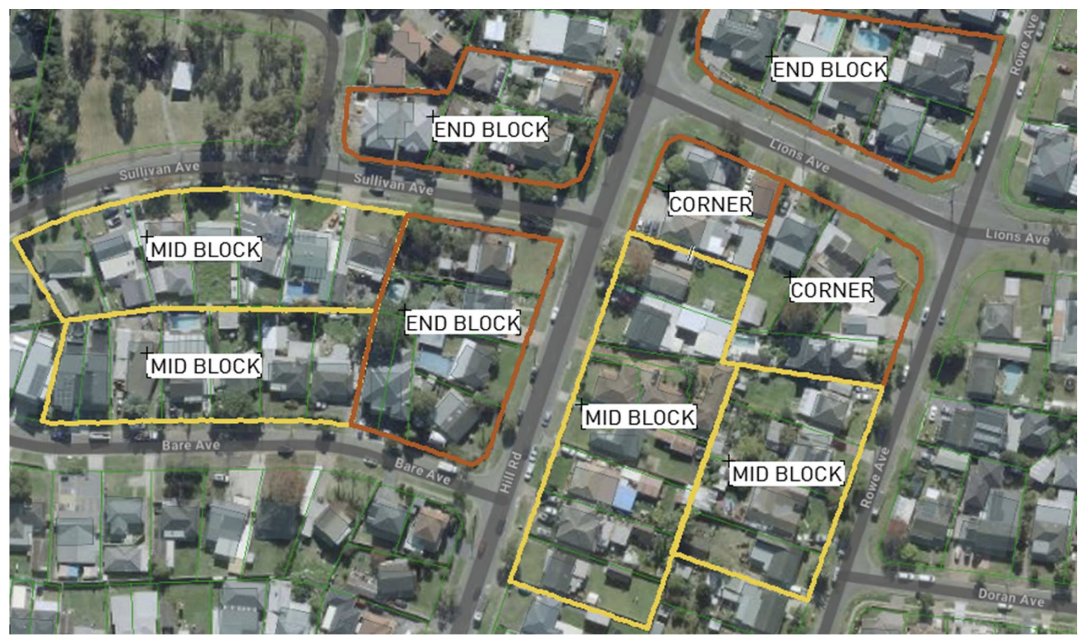
analysis of the existing subdivision pattern - what opportunities existed to minimise requirement for site amalgamation.
economical and efficient forms of housing - where quality design can be delivered by local builders
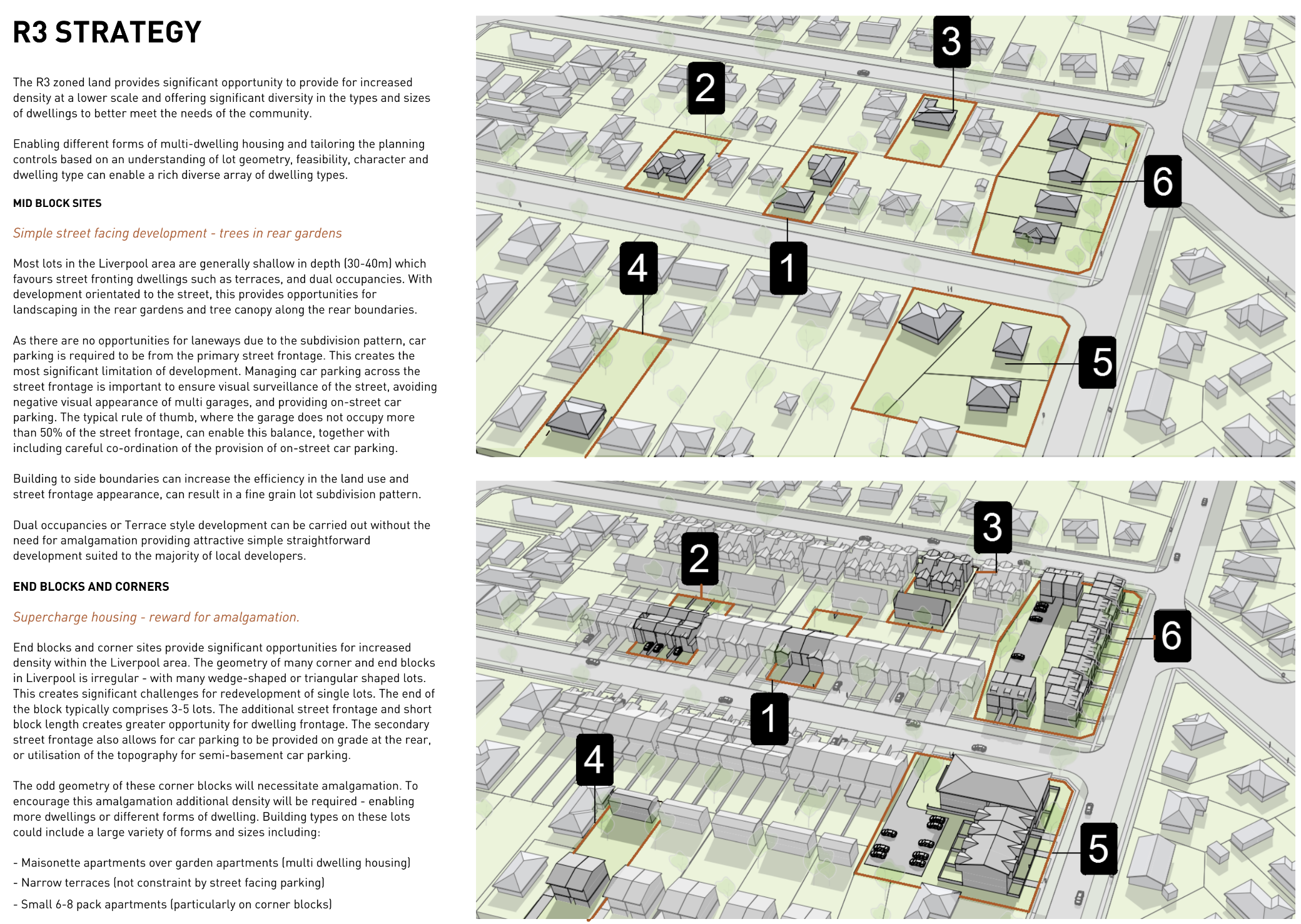
understanding different housing types and the space requirements needed for successful design
landscape and character - contributing to enhancing the senses of place - protection of existing tree canopy
The strategy ultimately resulted in an expansion of the R3 - Medium Density Zone that investigated different housing types to suite different parts of the subdivision - supercharging housing at block ends and corners and protecting tree canopies in the rear gardens of the mid-block lots.
Documents:
Liverpool LEP Review - Residential Land Investigation
| Location | Liverpool NSW | |
|---|---|---|
| Client | Liverpool City Council | |
| Partner | Planning - Mecone | |
| Land Economics - Atlas Economics |
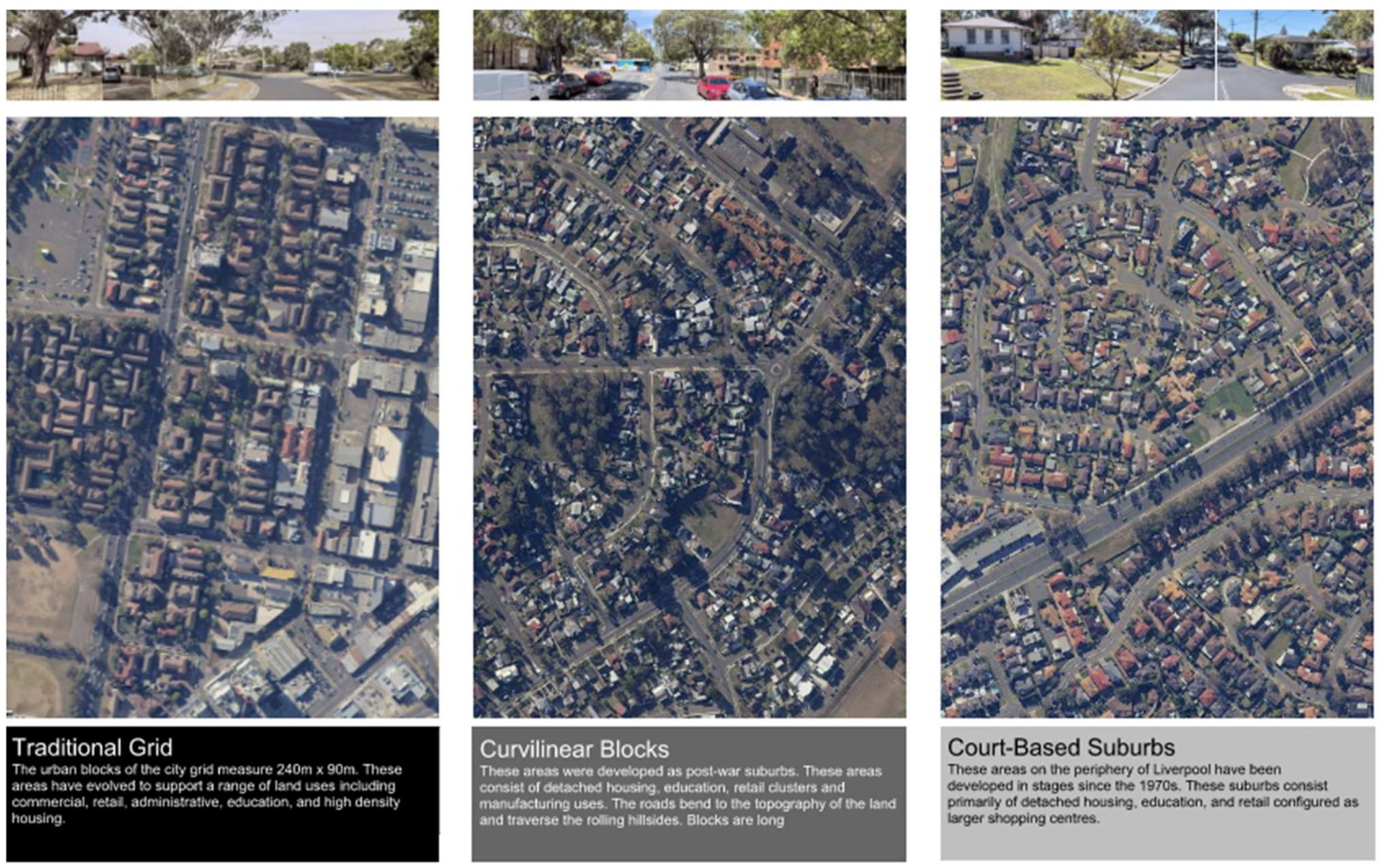
Analysis of the existing subdivision patterns in Liverpool - linked to the period of existing subdivision - this influences how the suburb can be redeveloped for additional density.